
Why WiCX Is Reimagining The Future Of CX Industry Events In The Age Of AI
By Clare Muscutt, Founder and CEO, Women in CX
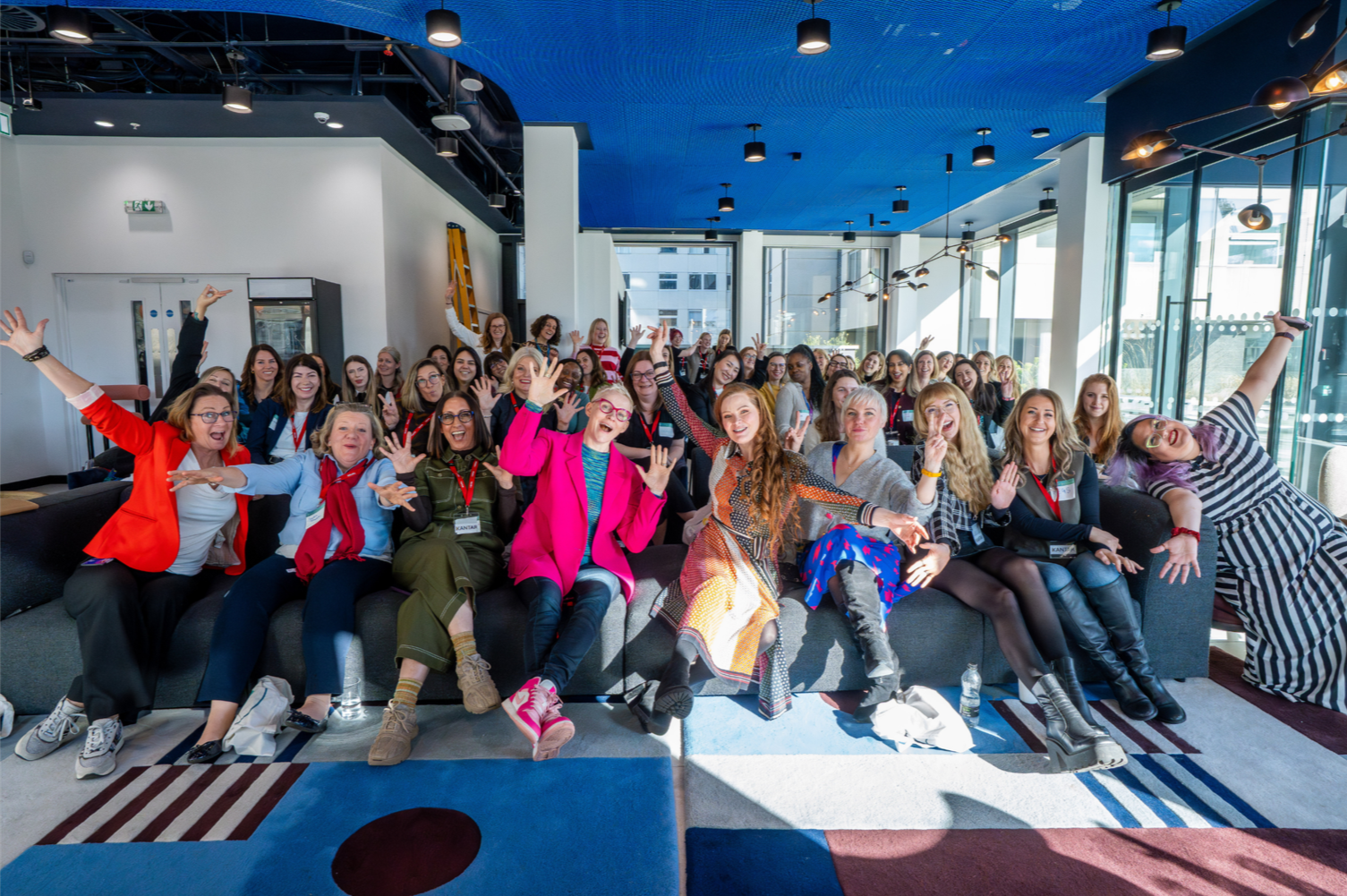
Something has felt increasingly broken about CX industry events for a while now.
Not because people have stopped caring. Quite the opposite.
The conversations I’m having with leaders across customer experience, design, product, operations, insights and AI feel more urgent than ever. Organisations are navigating enormous pressure. AI is accelerating. Expectations are rising. Teams are being asked to transform faster, automate more and prove value quicker than ever before.
And yet, despite all of this change, many industry events still operate as though nothing has changed at all.
A stage. A panel. A keynote. A few networking drinks. Everyone goes home inspired for 24 hours before disappearing back into the same organisational complexity they arrived with.
And if we’re honest, a lot of the time, the whole thing is really designed around giving vendors access to attendees.
Increasingly, I don’t think that kind of passive conference culture reflects the reality leaders are actually trying to navigate anymore, because the challenges organisations face today are far more complex than most event formats allow space for.
No one organisation has fully solved responsible AI. No one leader has perfectly cracked orchestration. And no framework has neatly resolved the tension between speed, governance, trust, operational complexity and human-centred design.
The reality is messier than that. Which is exactly why I think we need more honest spaces to explore that complexity together.
That belief is a large part of why Women in CX originally pioneered the UnConference format inside the CX industry. Not as a gimmick or a trend, but as a deliberate rejection of passive learning and performative thought leadership.
No endless PowerPoints. No exhibition halls. No scheduled meetings with vendors. No audiences sitting silently while someone else claims to have all the answers.
Because increasingly, the most valuable intelligence in the room is not sitting exclusively on the stage. It exists collectively across the lived experiences, operational realities, experiments, tensions and ideas held by the people inside it.
That philosophy has shaped WiCX from the very beginning.
But while we were designing the 2026 UnConference experience, something kept nagging at me.
If we genuinely believe organisations need to rethink how humans, systems and AI work together… shouldn’t we be willing to rethink how events work too? That question fundamentally changed how we approached designing this year’s experience.

“The most valuable intelligence in the room is not sitting exclusively on the stage.”
— Clare Muscutt
2026 WiCX UnConference Theme
This year’s theme is Accelerating Responsible Action.
For me, that theme emerged from one very simple realisation: the industry already understands many of the problems.
We know journeys are fragmented. We know organisations are siloed. We know customer trust is fragile. We know AI governance is lagging behind implementation. We know insight often fails to become meaningful organisational action, even when organisations have more data than ever before.
At the same time, businesses are under growing pressure to deliver measurable outcomes faster, automate more aggressively and implement AI at speed.
The harder question now is what we intentionally build next.
How do organisations turn insight into execution? How do leaders create meaningful momentum inside increasingly complex systems? How do we accelerate transformation without scaling poor experiences, fragmented operations or broken trust alongside it?
And perhaps most importantly, how do we ensure AI helps organisations become more human-centred rather than less?
Those questions sit right at the heart of WiCX UnConference 2026.

“The industry already understands many of the problems
[…]
The harder question now is what we intentionally build next.”
— Clare Muscutt
WICX 2026 UnConference Topics
This year, the conversations will explore three major topics shaping the future of customer experience and organisational leadership.
The first is Insight, Intelligence & Action.
Because despite organisations having more data, listening tools and AI capability than ever before, many still struggle to translate customer understanding into meaningful organisational change.
Increasingly, the issue is not a lack of insight. It’s fragmented ownership, operational complexity and organisations struggling to align around action.
I think this is one of the biggest tensions in CX right now. Most businesses already know far more than they are operationally capable of acting on.
So this conversation explores what happens when organisations move beyond simply collecting more signals and start redesigning how they interpret, prioritise and respond to them.
The second is Experience Design, Orchestration & Operating Models
For years, customer experience has largely focused on touchpoints and journeys. But as experiences become increasingly interconnected across digital, human and AI-enabled environments, many organisations are discovering that better touchpoint design alone is no longer enough.
The conversation is shifting towards orchestration.
How do organisations design systems that can adapt in real time? What operating models are needed for more connected experiences? How do teams break out of fragmented structures that were never really designed for modern customer ecosystems in the first place?
Increasingly, I think the future of customer experience leadership may depend less on improving isolated interactions and more on intentionally designing the systems, governance and organisational conditions underneath them.
And then there is the third conversation: Agentic AI, Autonomy & Human-Centred CX
This is probably the conversation I believe the industry still isn’t having honestly enough.
AI is rapidly moving beyond copilots and automation tools into systems capable of making decisions, coordinating actions and shaping experiences with increasing autonomy. At the same time, organisations are under enormous pressure to deploy AI faster while governance, operational readiness and human oversight struggle to keep pace.
The implications of that shift are enormous. Not only for customer trust and governance, but for work itself. Particularly across service and experience-led functions where emotional labour, judgement and human interaction remain critical.
And I think organisations need far more honest conversations about what decisions should remain fundamentally human, what responsible AI autonomy actually looks like in practice and what organisations need to build before autonomous systems scale further.
WICX 2026 UnConference Innovation
But perhaps the biggest evolution for WiCX this year is not just what we’ll be discussing.
It’s how we’re designing the experience itself.
This year, the WiCX UnConference becomes intentionally AI-enabled.
Not in a gimmicky “AI networking app” kind of way, but in a way that reflects the actual questions organisations are now wrestling with in practice.
Throughout the Open Space sessions, attendees will participate in collaborative breakout experiences designed to support real-time collective intelligence gathering, synthesis and sense-making.
Participants will contribute ideas, tensions, questions and practical insights through collaborative canvases while AI-assisted synthesis tools help identify emerging patterns, contradictions and themes as the conversation evolves.
But importantly — and this distinction matters deeply to me — the process remains intentionally human-led.
AI supports synthesis. Humans remain responsible for meaning.
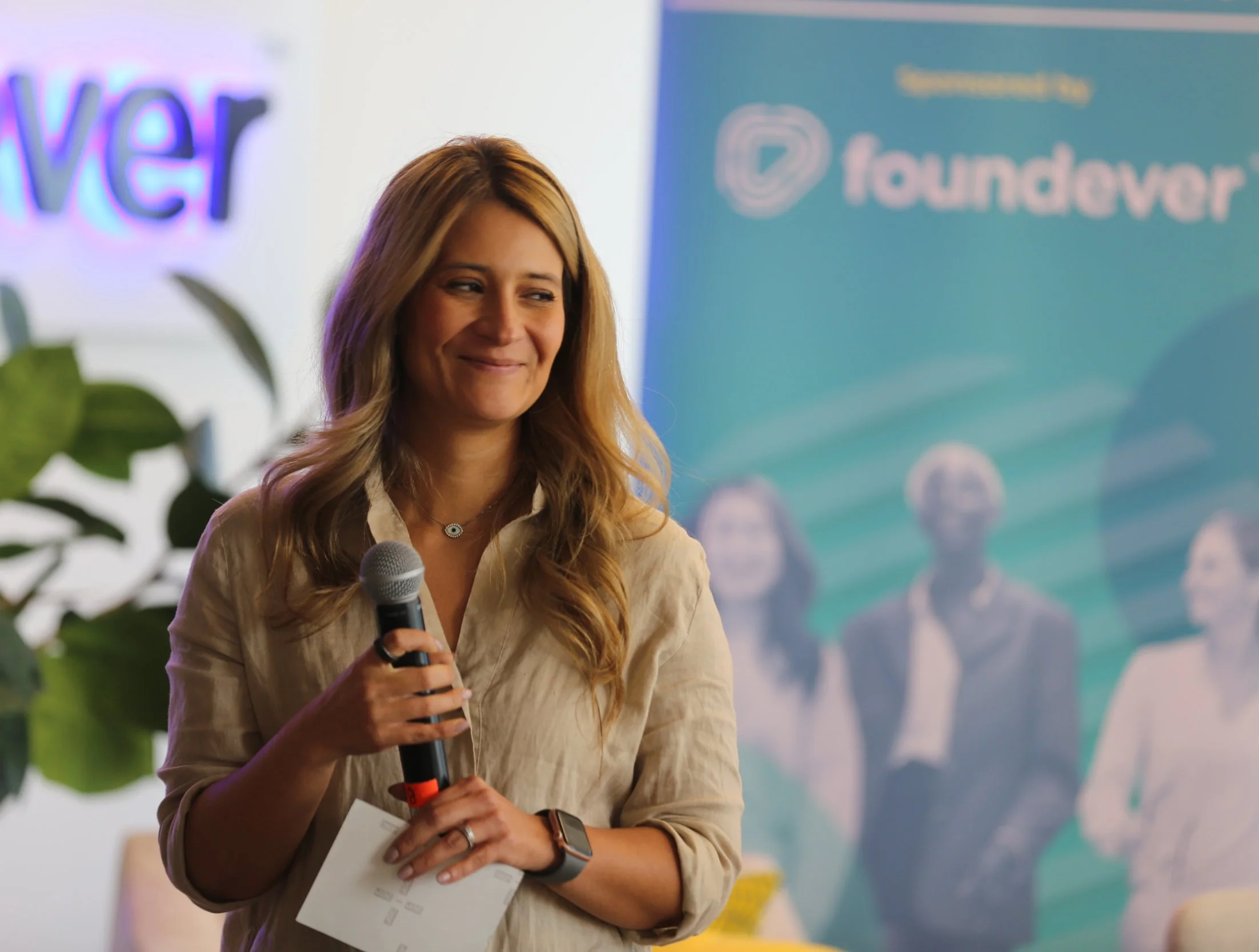
“AI supports synthesis. Humans remain responsible for meaning.”
— Clare Muscutt
That principle sits at the centre of everything we are building.
The goal isn’t to replace human conversation, judgement or nuance with automation. It’s to explore what responsible human-AI collaboration could actually look like in practice.
Humans contribute lived experience, challenge, emotional intelligence and context. AI helps surface patterns and accelerate synthesis. The room collectively reviews, challenges and refines the outputs together.
And importantly, we are intentionally designing the process to preserve ambiguity, disagreement and unresolved tension where they exist rather than artificially forcing consensus or oversimplified conclusions.
Because if we’re honest, the future probably isn’t going to emerge through perfect certainty or perfectly polished frameworks anyway.
As discussions evolve throughout the event, attendees will also see ideas progressively synthesised into a live digital layer, helping the room visualise emerging themes and practical implications in real time.
And ultimately, those insights will contribute towards something much bigger: the WiCX UnConference Playbook.
Not a polished consultancy report. Not performative optimism. Not artificial consensus.
But a collective reflection of the operational realities, leadership tensions and future-facing ideas emerging from experienced practitioners navigating transformation inside organisations right now.
For me, that feels incredibly important.
Because I don’t believe the future of customer experience will be shaped by technology alone.
It will be shaped by the decisions organisations make about how technology, people, operations, governance and AI work together to shape human experiences.
And increasingly, I believe the organisations that succeed will not simply be the ones adopting the most advanced technology.
They will be the ones capable of intentionally aligning insight, operations, governance, experience design and AI around experiences customers and employees can genuinely trust.
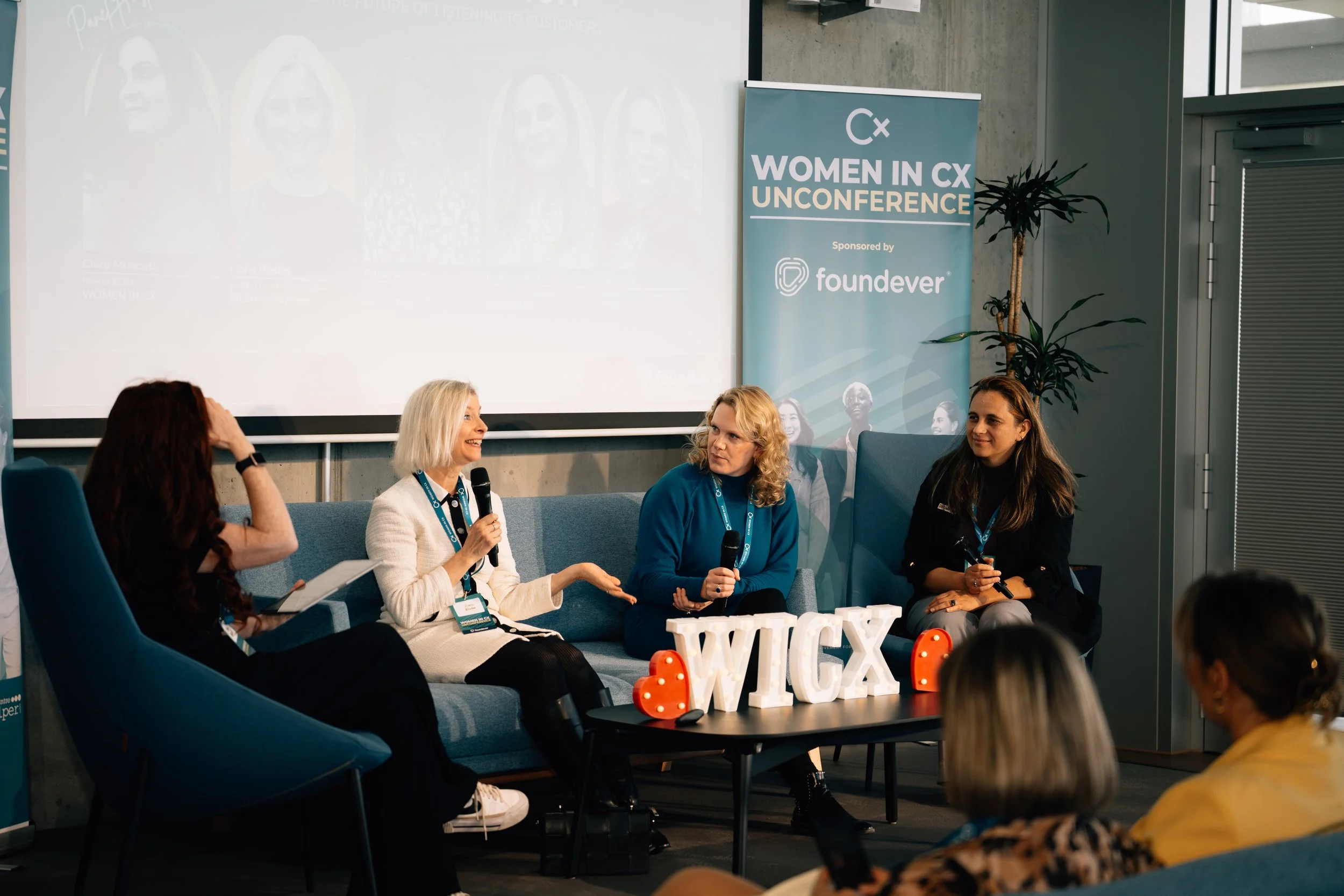
“The goal isn’t to replace human conversation, judgement or nuance with automation. It’s to explore what responsible human-AI collaboration could actually look like in practice.”
— Clare Muscutt
That is the conversation we are creating space for at WiCX UnConference 2026.
Not passive inspiration, but collective intelligence. Honest dialogue. Responsible experimentation. And hopefully, meaningful action too.
If that feels like a conversation you want to be part of, I’d love to invite you to join the waitlist for tickets.
📍 WiCX EMEA UnConference — London — 13–14 July 2026
📍 WiCX US UnConference — Dallas — 20–21 October 2026
Join the waitlist here.