
Why Better Journeys Depend on Better-Designed Organisations
Journey management can reveal where experiences break. Consistent improvement depends on whether organisations redesign the processes, measures, technology and decisions producing those failures.
By Clare Muscutt, Founder and CEO, Women in CX
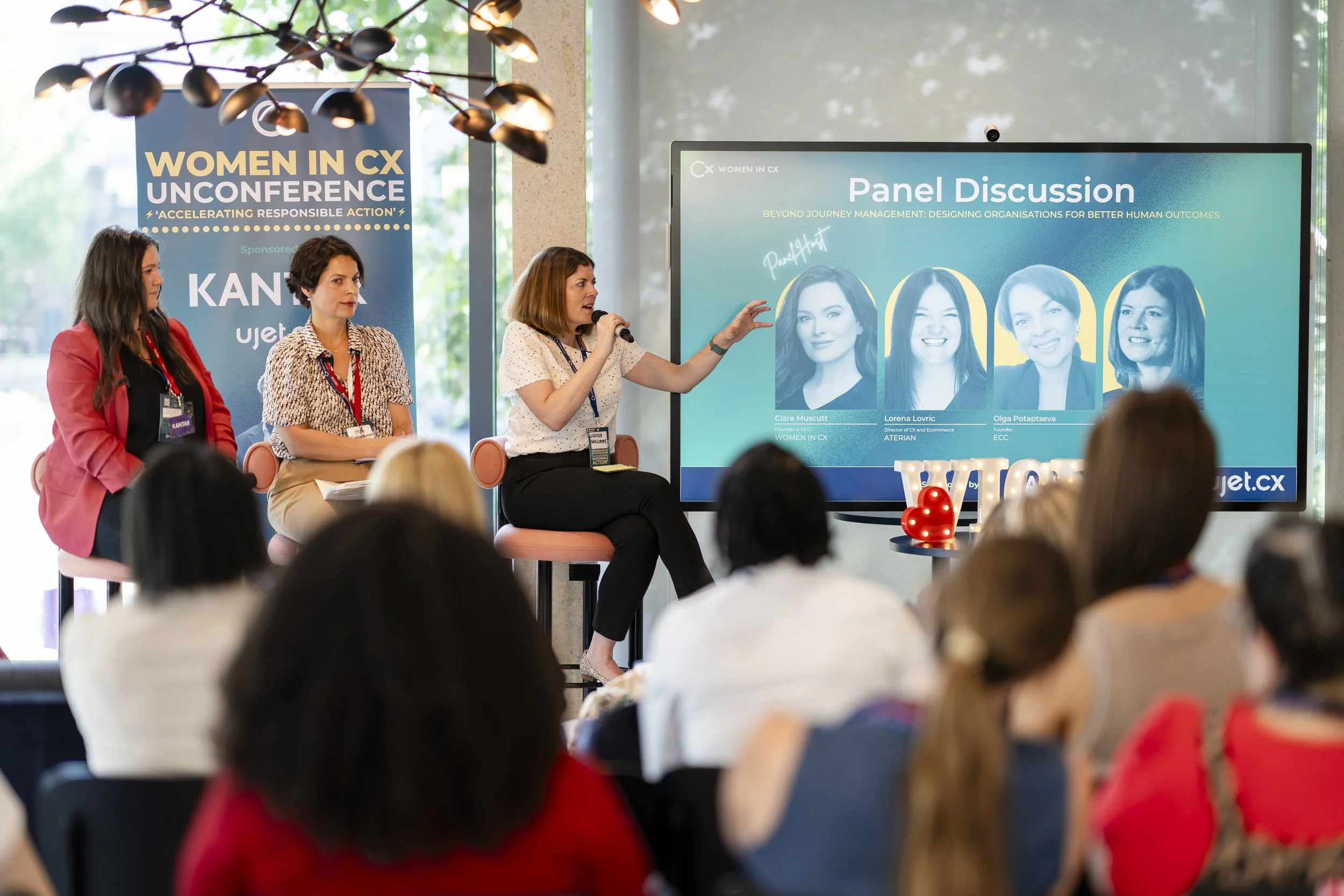
A journey map can make a broken experience visible. It cannot make the organisation change.
That distinction sat at the centre of our second panel at the Women in CX EMEA UnConference 2026 in London. I was joined by Louise Williams, Customer Lifecycle Management Lead at Lloyds Banking Group; Olga Potaptseva, Founder of the European Customer Consultancy; and Lorena Lovric, Director of Customer Experience at Aterian.
Journey mapping and management have transformed how organisations understand the people they serve. They help teams see an experience across touchpoints, identify pain points and expose the distance between what the organisation intends and what the customer encounters.
Yet customers continue to experience delays, repetition and disjointed service even when every function involved is meeting its own targets. The map may show the problem clearly while the authority, budget and accountability required to solve it remain distributed across the organisation.
Our conversation therefore moved beyond the design of the journey itself. What must change in the organisation behind it?
The panel's examples pointed to a clear answer. Better outcomes depend on how work moves between functions, which measures govern behaviour, where customer evidence enters decision-making and whether technology is being used to deliver a defined human outcome.
The failure often sits between functions
Olga opened with an example of a lengthy approval process. Every department completed its part correctly and on time, yet the total process remained much slower than that of competitors.
The organisation had treated the delay as unavoidable. When the team examined what happened between functions, it discovered that the same approval was being completed three times. Each team knew its own responsibility, but none knew that another function had already carried out the same check. Removing two duplicate approvals reduced the total time by 60 per cent.
Nothing in that example was caused by an individual team performing badly. The failure existed in the operating model: the handovers, assumptions and repeated controls connecting otherwise competent functions.
Louise described the same problem through customer journeys. When a flight or hotel changes, the decision may begin in a commercial team, pass to customer service for communication and require another function to action the change. Each stage can sit beneath a different director. A house-buying journey can begin with savings and continue through mortgage products managed elsewhere in the bank. Customers experience one objective; the organisation sees several areas of ownership.
This is why functional optimisation can coexist with a poor end-to-end experience. A journey view exposes the gaps, but the gaps cannot be repaired by the journey team alone. The people who own the process, policy, system and commercial decision must be able to see their contribution to the same outcome.
Olga argued that an operating-model blueprint can make that relationship more concrete than a journey map by itself. It shows each function where it contributes to a moment that matters, where a handover fails and where a system prevents the intended outcome. CX brings knowledge of the customer; functional specialists bring knowledge of how their part of the organisation works. Change becomes possible when those forms of expertise meet around the same problem.
Journey management works when it enters the operating rhythm
Louise challenged the premise that journey management has reached its limit. In her view, its value depends on whether it has been implemented as an organisational discipline or reduced to the production of maps.
Journey management can diagnose what is happening, identify pain points and define what should improve. The work only becomes consequential when it is connected to governance, transformation and product prioritisation.
At Sainsbury's, Louise's team used Nectar as a test environment because colleagues in the business were willing to work differently. Rather than establishing a separate customer forum, the team secured a standing place in existing product meetings. They brought a customer challenge into the room, agreed what needed to change and placed the resulting work onto the product roadmap.
That step altered the status of the insight. It was no longer an observation contained in a presentation. It had entered a meeting where trade-offs were made and delivery was authorised.
The team then returned to the customer measure after the change had been delivered to establish whether it had produced the intended effect. Louise described this as a circle: evidence informs prioritisation, delivery changes the experience and measurement tests the result.
Without that operating rhythm, journey maps risk becoming what she called ‘wallpaper’. They may be consulted during workshops or displayed in offices, but they remain outside the mechanisms that determine what teams build and fund.
This raises a practical question for CX leaders. Creating another governance structure may add distance between customer evidence and delivery. In some organisations, the more effective move will be to obtain a formal place in the product, transformation, risk or investment forums that already control the roadmap.
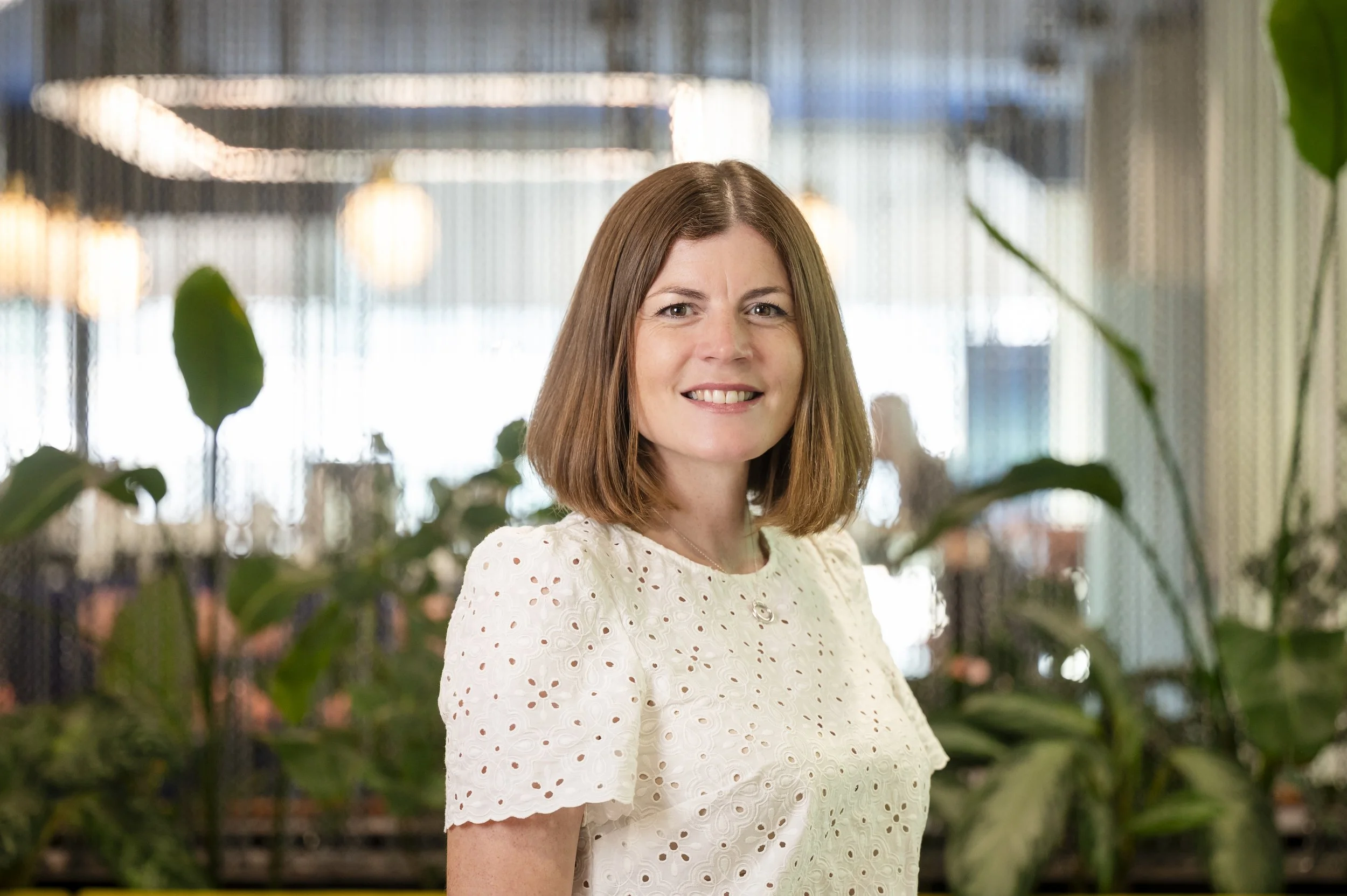
Without that operating rhythm, journey maps risk becoming what Louise called ‘wallpaper’. They may be consulted during workshops or displayed in offices, but they remain outside the mechanisms that determine what teams build and fund.
Measures can improve one result while damaging the system
Processes are shaped by what organisations reward and monitor. A functional target can appear successful while transferring cost, effort or harm elsewhere.
Louise asked whether organisations have become too attached to a generic idea of frictionless service. Different customer objectives require different outcomes. Speed may matter most in one journey. Another may require empathy, reassurance or access to a person with the authority to resolve a complex problem. A rapid automated answer has little value if it prevents the customer from completing what they came to do.
Retention offers an obvious example. If employees are rewarded solely for preventing cancellations, they may make it harder for customers to leave. The retention figure improves while the underlying experience deteriorates. Digital containment can create the same illusion: customers who abandon an automated channel may be recorded as successfully contained because they did not reach an employee.
The weakness lies in using a measure without a clear account of the human outcome it is supposed to represent.
Olga's pharmaceutical example showed how this can affect employees as well as customers. An operations team achieved near-perfect on-time delivery for treatments manufactured for individual patients. That outcome mattered profoundly, but it was sustained through employees navigating organisational failures, asking for favours and absorbing the pressure when manufacturing plans changed without adequate warning.
The customer result looked strong. The human cost required to produce it remained largely invisible.
Organisations therefore need to ask three connected questions: what human outcome are we trying to create, who owns it and who is carrying the work required to deliver it? A measure cannot be considered successful if the organisation achieves it by exhausting employees or moving failure into another part of the system.
Technology cannot orchestrate what the organisation has not agreed
Lorena described journey management as Google Maps: it can show the route, but it cannot remove the traffic. The traffic is the organisation—the approvals, missing information, competing priorities, system access and cross-functional dependencies behind an apparently simple customer interaction.
An employee may spend only a few minutes speaking with a customer, but answering the question can depend on information from product, permission from compliance, guidance from legal and access to several systems. Technology can reduce that friction. It cannot compensate for an organisation that has not decided what outcome it is trying to create or how its functions should work together.
Lorena made the same point about AI strategy. Organisations are under pressure to demonstrate that they are using AI, which can lead them to begin with the technology and search for a purpose afterwards. Her sequence was more disciplined: define the human outcome first, then decide where technology can enable it.
Her kitchen analogy captured the distinction. Buying new tools does not make somebody a better cook. The value comes from how those tools are used, by people who understand what they are trying to produce.
Technology remains central to experience design, and Lorena's own career shows the value of close collaboration with technology leadership. When she reported to a CTO, he completed the customer-service training, joined the contact queue and spoke directly with customers. That frontline experience gave the technology leader direct evidence of what was failing and helped connect technical decisions to the people affected by them.
The reporting line mattered less than the behaviour. Technology leadership became more effective because it engaged with the operational and human reality of the service.
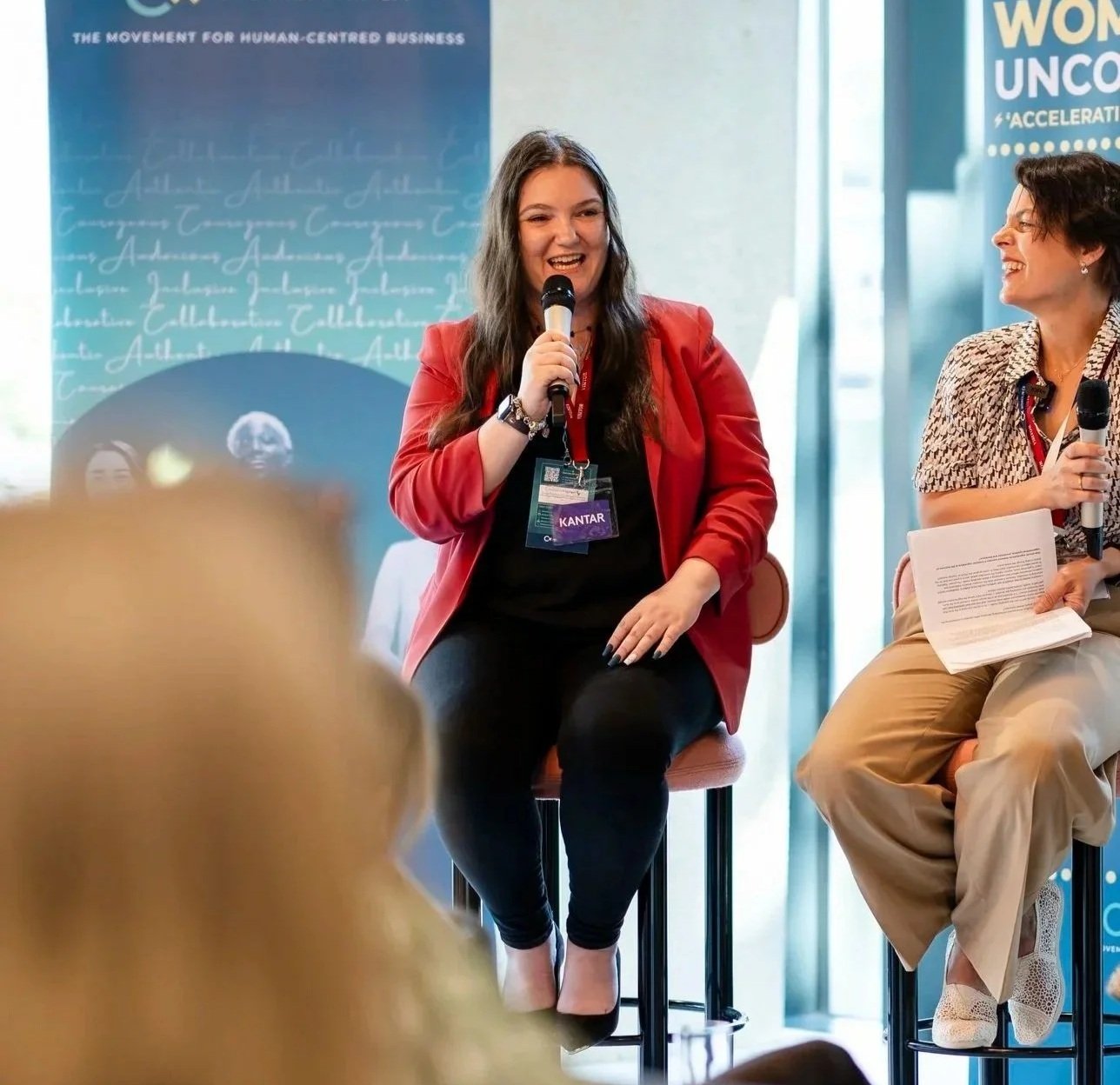
Lorena described journey management as Google Maps: it can show the route, but it cannot remove the traffic. The traffic is the organisation—the approvals, missing information, competing priorities, system access and cross-functional dependencies behind an apparently simple customer interaction.
CX needs access to the decisions that design the organisation
The panel repeatedly returned to authority. Journey teams can identify cross-functional failures, but they need access to the forums where priorities, funding and operating models are decided.
Olga described the greatest influence she had when reporting to a CEO. At the beginning of the financial planning cycle, she could review more than 100 proposed projects, identify where customer benefit was present or absent and show where several initiatives related to the same human outcome. That access allowed customer evidence to influence the portfolio before priorities became fixed.
Reporting directly to the CEO will not be possible or appropriate for every CX function. The underlying requirement is broader: customer expertise must have a recognised route into strategic planning and delivery governance. Executive sponsorship helps, but sponsorship without participation can leave CX dependent on somebody else interpreting the evidence at the moment of decision.
This also changes the capabilities required of CX leaders. Research, journey mapping and human-centred design remain important. The role increasingly demands systems thinking, change management, facilitation, commercial understanding and the ability to work across product, operations and technology.
Louise described CX leaders as the people who connect the organisation across silos that will always exist for legitimate reasons. Functional expertise is valuable. The problem begins when no one is responsible for the outcome created by the whole system.
Lorena brought the discussion back to the frontline. AI and orchestration may change how service is delivered, but employees still hold some of the clearest evidence about what customers struggle with and why. Her leadership approach remains agent-first because customer-facing teams experience the cumulative effect of decisions made elsewhere. Listening to them provides practical organisational intelligence.
Better experience requires organisational design
Journey management remains relevant, and its diagnostic value may be increasing as customer experiences span human and automated interactions, multiple products and increasingly complex organisational systems.
Its limits become visible when the organisation expects the journey map itself to create change.
The panel showed what needs to sit around it: an operating-model view that reveals dependencies; measures tied to defined human outcomes; a place for customer evidence inside prioritisation; and leaders who can connect functions around shared responsibility for the result.
This expands the scope of experience design. CX professionals need greater influence over the conditions from which experiences emerge, even though ownership of the processes, systems and decisions remains distributed across the organisation.
That is a more realistic account of how customer-centricity becomes operational. Customers will continue to experience the organisation as a whole, regardless of how responsibilities are divided internally. Better journeys therefore depend on designing that whole more deliberately.
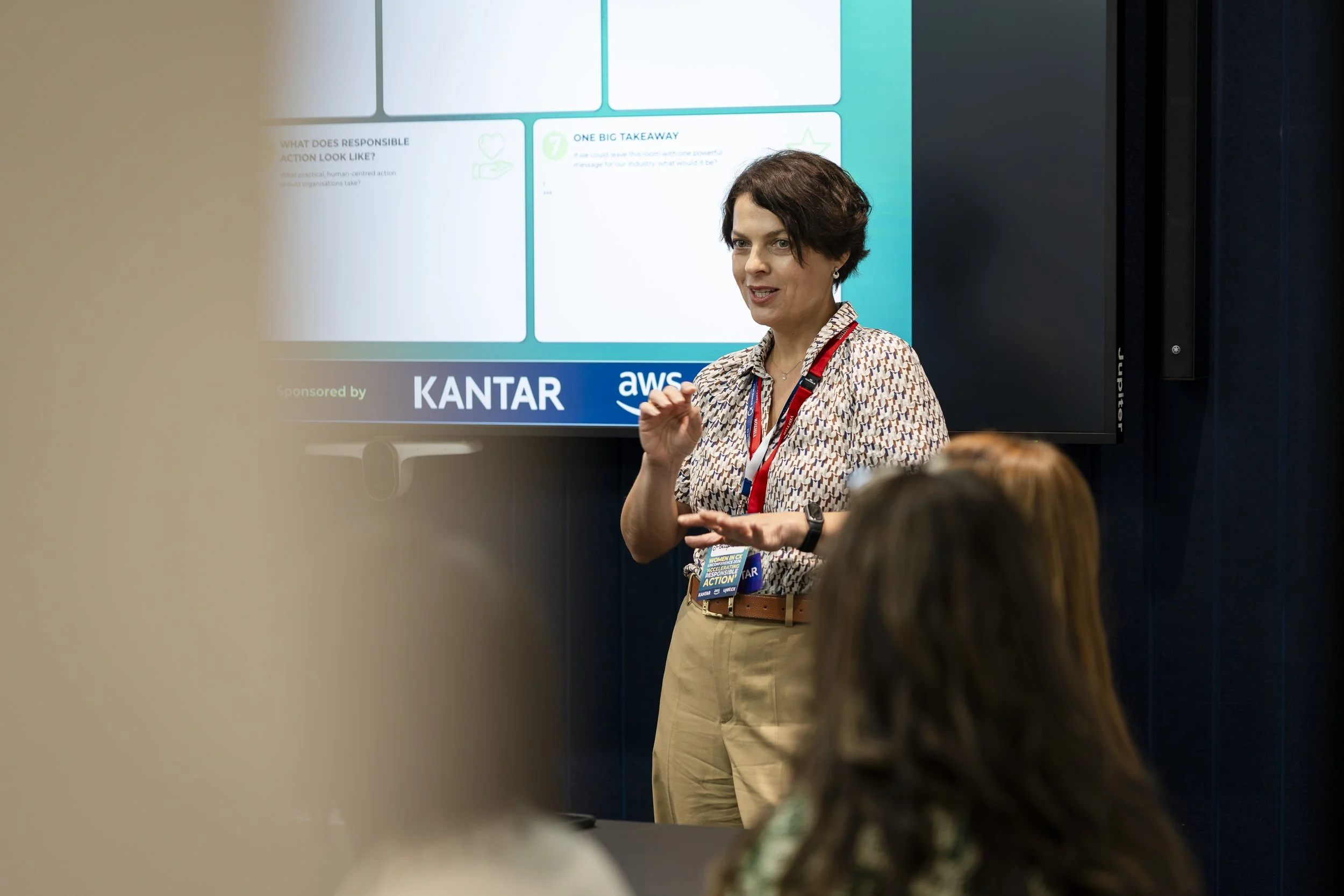
Olga argued that an operating-model blueprint can make that relationship more concrete than a journey map by itself. It shows each function where it contributes to a moment that matters, where a handover fails and where a system prevents the intended outcome.
Continue the conversation in Dallas
Women in CX UnConferences have already brought women together in Berlin, Miami and London to examine the decisions shaping the future of customer experience—and turn those conversations into practical, community-authored work.
On 20–21 October 2026, we will bring the UnConference to Dallas.
If you are a woman working across customer experience, insight, design, operations, transformation, technology or AI, you can register for Priority Access. Every application is reviewed to help us create a room of experienced practitioners who are prepared to contribute as well as learn.
Register for Priority Access to the Women in CX US UnConference Dallas.