
A dryer can arrive at the right address, at the promised time, and still leave the customer unable to dry their clothes. The delivery team may have done everything within its control. The laundry is still waiting.
By Clare Muscutt, Founder and CEO, Women in CX
A dryer can arrive at the right address, at the promised time, and still leave the customer unable to dry their clothes.
Perhaps it will not fit through the hallway. Perhaps the customer ordered an electric model when they needed gas. Perhaps a connection required for installation is missing.
The delivery team may have done everything within its control. The laundry is still waiting.
Emily Dahl brought this example to our Women in CX US UnConference in Dallas, drawing on her work in journey intelligence at The Home Depot:
“What matters for the customers, I can dry my clothes.”
It is a simple statement with substantial implications for how organisations define success. The customer’s outcome depends on decisions made before the delivery team ever arrives: the information available online, the advice given in-store, the checks completed before purchase and the preparation for installation. A problem that becomes visible at the doorstep may have begun much earlier.
Our first panel examined how customer insight becomes an organisational priority. The second took the next step: once we agree to improve an experience, what must change inside the organisation to make that improvement possible?
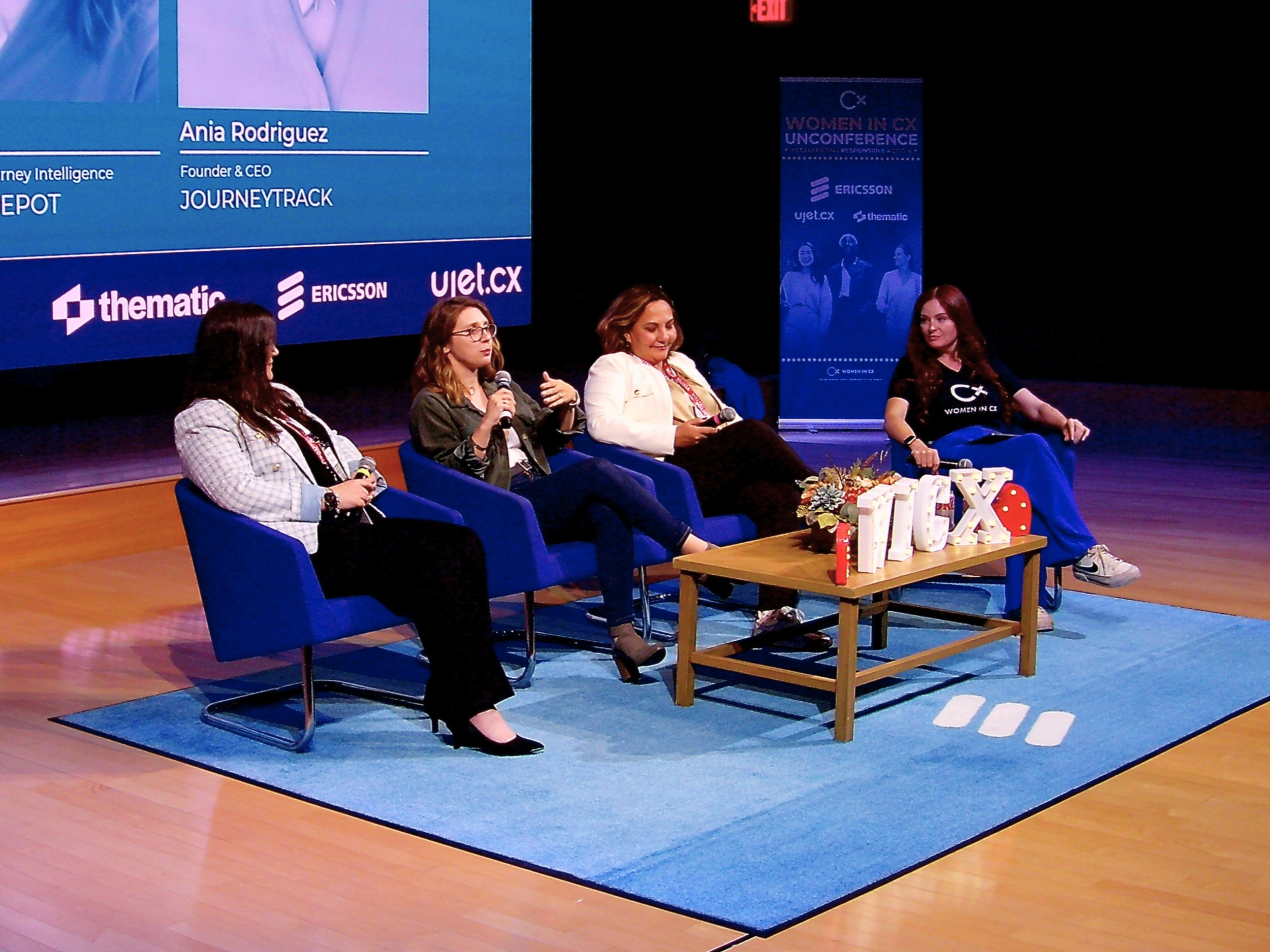
Joining me were Emily Dahl, Senior Principal – Journey Intelligence at The Home Depot; Lorena Lovric, Director of Customer Experience at Trademark Global; and Ania Rodriguez, Founder and CEO of JourneyTrack.
Their discussion explored a challenge at the heart of Accelerating Responsible Action: organisations deliver journeys through separate functions, while customers live with the combined result.
Seeing the Whole Journey: What Does Success Look Like Beyond Your Team?
Emily began by questioning how long a good design remains good.
An experience can work when it launches and become inadequate as expectations, behaviours and operating conditions change. She used delivery expectations to illustrate the point: a service once considered exceptional can become ordinary, then disappointing, without the organisation changing anything at all.
“How long does design stay a good design?”
That question asks more of journey management than periodically refreshing a map. It requires a current understanding of what customers are trying to achieve and what helps or prevents them from achieving it.
Emily described bringing together customer evidence, employee experience and the systems and services supporting delivery. One question was particularly revealing:
“Are they doing manual heroics to create customer outcomes?”
A customer may receive what they need because an employee knows who to call, which system to work around or when to override the usual process. The outcome can look successful while concealing how difficult it was to produce. Unless that employee experience is visible, leaders may mistake a fragile arrangement for a reliable service.
During the discussion, I raised what happens when we take those people out of the equation. Employees often recover a service by recognising that the process is failing and finding another way to help. Replacing their work with AI can remove that opportunity for recovery while leaving the underlying design problem intact.
An organisation can therefore automate the process it believes it delivers and lose the interventions that made it work in practice. Before removing a human role, we need to understand what that person notices, corrects and compensates for. Some of that work points to flaws we should fix. Some reveal decisions that still require human judgement. Either way, it needs to be understood before the person is no longer there to do it.
The appliance example makes those dependencies easier to see. The delivery team can influence whether the right product arrives on time. It cannot correct every decision made when the appliance was selected. Sales and digital teams, however, can help customers establish whether it will fit, whether the connections are suitable, and what needs to be ready before arrival.
Defining success as a working appliance changes the conversation between those teams. It gives each a reason to examine how its decisions affect what happens later.
Ania connected this broader view to the evolution of journey management. Maps become more useful when they connect with priorities, measures and decisions: what is being worked on, who is responsible and whether the experience is changing.
Ania’s argument about AI gave this work a further significance. Organisations are asking how to give AI the context it needs to act appropriately. Much of that context is already being developed through customer research and journey management:
“What people are doing, feeling, thinking, the insights, the metrics, that’s the context that every system now needs.”
This gives CX a substantial role in shaping automated decisions. A record that someone has ordered a dryer tells a system something about the transaction. Understanding what that customer is trying to achieve, what they have already checked and where they remain uncertain provides a basis for deciding what should happen next.
I described CX as a potential custodian of that context. It creates a reason for us to be involved with technology teams as they design how AI will operate, bringing customer knowledge into the decisions those systems will make.
That responsibility extends beyond making journey information available. The context must stay current, retain its connection to customer evidence and be usable by the people and systems acting on it. Ania’s point was that the work of understanding experience becomes part of the foundation for orchestration itself.
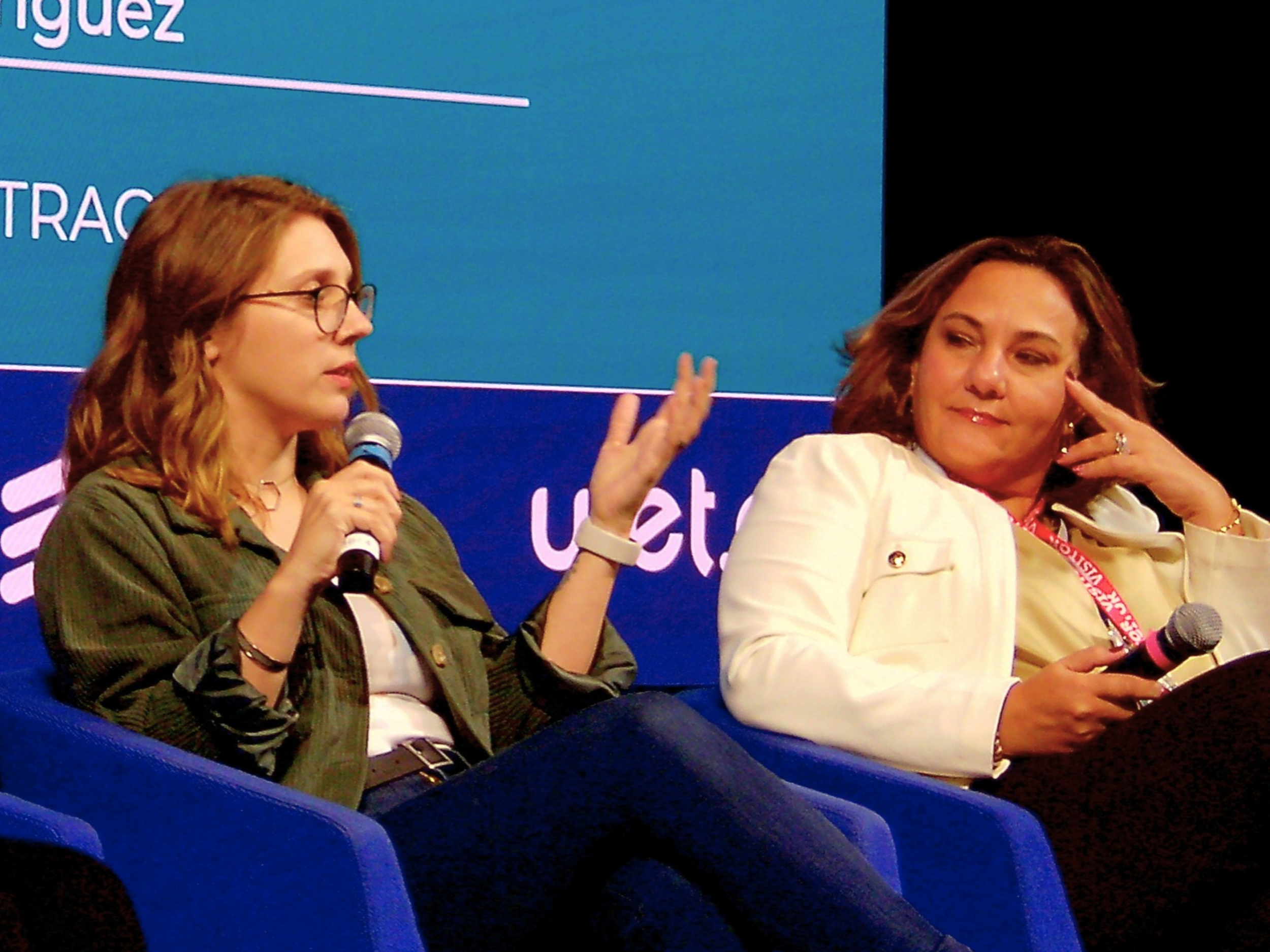
“Are your employees doing manual heroics to create customer outcomes?” — Emily Dahl
Sharing Ownership: Who Can Change the Conditions Behind the Experience?
Knowing where a journey breaks does not automatically give anyone the authority to repair it.
The delivery team may be accountable for a failed installation but unable to change the information customers receive before purchase. A store colleague may want to help but have little visibility of the problems that emerge after the sale. Each team can see a legitimate boundary around its responsibilities, leaving the customer’s outcome between them.
This is where the conversation moved into the operating model: how work is organised, who makes decisions and which measures shape people’s priorities.
Emily’s example offered a useful starting point. Teams can take responsibility for their contribution to a shared customer outcome without one function controlling every step. But that requires clarity about who owns the systems, processes and measures involved, and who can authorise changes when those contributions conflict.
Ania emphasised the need for named journey owners and identifiable decision-makers. She described the hesitation that can sit behind committee decisions: uncertainty about the evidence, fear of making the wrong choice and reluctance to accept responsibility. A shared view of the journey can expose where a decision has stalled. Someone still needs the authority to move it forward.
The composition of that decision-making group matters too. Lorena illustrated what can happen when organisations overlook the people closest to operational reality.
While working under Aterian, colleagues from IT, CX leadership and product had designed a workflow to identify serious product risks. They considered scenarios involving fire, injury and flooding, then built keyword rules to flag potential incidents. One of those keywords was “die”.
When German customers began contacting the business, alerts started escalating. In German, “die” is a common form of “the”. Ordinary messages were being treated as possible emergencies, reaching senior leaders in the middle of the night.
The team had considered severe risks. It had missed an everyday feature of the customers’ language.
Lorena’s frontline colleagues recognised the problem immediately when they heard what had happened. Her reflection was direct:
“We haven't asked them.”
The story is memorable because the error seems obvious afterwards. Before launch, the people in the meeting believed they had covered the important scenarios. Their confidence reflected the experience represented in the room.
Inviting frontline colleagues into design decisions brings knowledge that a leadership discussion can easily miss: the language customers use, the exceptions that recur and the adjustments needed to make a process work. Their involvement also creates an opportunity to challenge assumptions before those assumptions become automated rules.
For me, that is an organisational design question. Who gets to contribute to a decision? Whose knowledge counts? And can the people who encounter a recurring problem influence the system producing it?

Ania emphasised: A shared view of the journey can expose where a decision has stalled. Someone still needs the authority to move it forward.
Responsible Orchestration: What Happens When the Parts Work Faster?
As the discussion turned to orchestration — coordinating people, processes and technology across the journey — Ania argued that the technical mechanisms were becoming easier to connect and activate.
Emily recognised that progress, while raising a concern:
“It also exposes us to a significant amount of risk if that context isn't documented correctly.”
Ania described responsible orchestration as preserving customer context, governing what AI can decide and recognising when human judgement is essential. Emily’s caution exposed the dependency: connecting systems is only useful if the information guiding their actions is sufficiently reliable for the decision being made.
Lorena’s keyword example showed how a rule that appeared sensible within one context could behave very differently in another. Automating the response made the consequences travel quickly across the organisation. If people are also removed from the journey, there may be fewer opportunities to recognise the mismatch and recover the service.
That brings context and human intervention into the same design decision. What must the system understand before it acts? How will it recognise that the situation falls outside that understanding? And who will be available, with the information and authority to help, when it does? These are questions the organisation needs to resolve before it relies on automation to deliver the whole outcome.
Emily proposed two questions for deciding where automation is appropriate: what are the stakes if it goes wrong, and how easy is the mistake to correct?
She returned to appliance purchasing. A bot might correctly explain what a customer needs to check before ordering a gas dryer. The customer might find the answer helpful and give it a positive rating. Yet neither result establishes whether they understood the requirement, checked the connection or selected a suitable appliance.
An associate has an opportunity to ask follow-up questions, notice uncertainty and help the customer establish whether they are ready to decide. The design challenge is to recognise where that judgement is needed and make it available within the journey.
Measurement has to follow the same logic. Emily challenged the idea that a correct answer alone establishes the bot’s success. If the subsequent delivery fails, that result needs to inform how the earlier interaction is assessed.
The same principle applies to human teams. A measure that stops at the end of an interaction can miss the effort or failure passed to the next person.
Lorena brought that tension into a very different customer conversation. Someone contacted their company to explain that one of its products had become part of their divorce settlement. They were not asking the company to resolve a conventional service issue. An agent wanted to do something to brighten their day.
It sounded like a straightforward opportunity to respond with care. Lorena pointed out how many conditions needed to be in place: enough time, the right information, management support and measures that encouraged the agent to recognise the moment.
“There needs to be a right environment that rewards correct behaviours.”
If speed were the overriding measure, closing the interaction quickly could look like good performance. Supporting the agent to respond differently required the organisation to make room for that judgement.
Lorena described applying a similar discipline to the company’s agentic virtual agent, Ginger. Both human and virtual agents undergo quality assurance, with additional tools and responsibilities introduced as capability develops. Her comparison was with a new employee: greater autonomy should follow evidence that the basic work can be done reliably.
Together, these examples make responsible orchestration concrete. It includes the information available at a decision, the authority to act, the support to exercise judgement and the measures used to determine whether the whole experience worked.
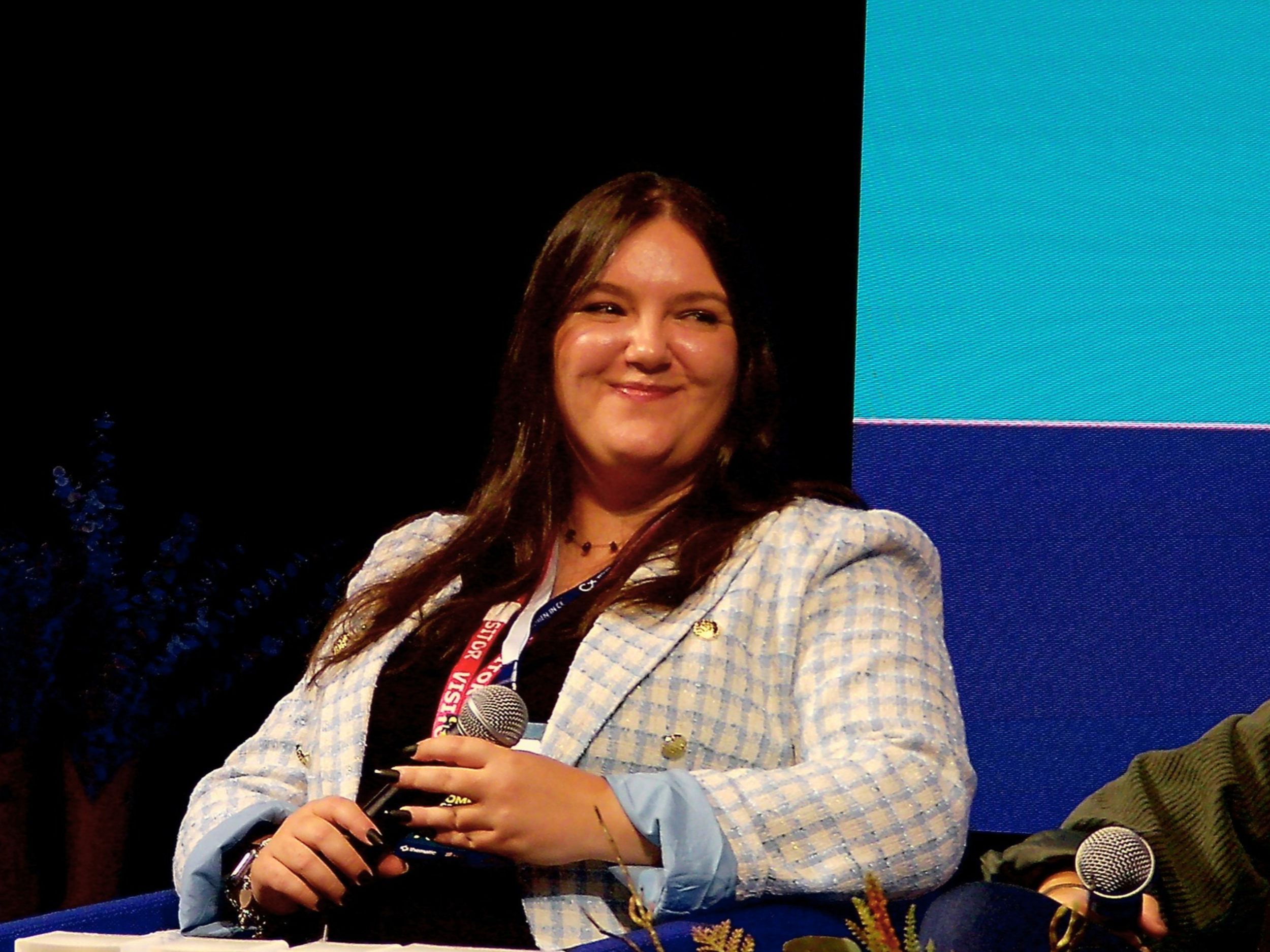
“There needs to be a right environment that rewards correct behaviours.” — Lorena Lovric
Final Thought: What Happens After We Declare Success?
Ania captured the gap in her closing reflection:
“The customer doesn’t experience our intentions.”
The distinction between a delivered dryer and dry clothes stayed with me because it exposes how easily organisations can stop measuring before the customer reaches their goal.
Looking at the whole journey changes what we investigate. A delivery problem may require a change to the sales experience. A successful service interaction may conceal an employee workaround. An accurate automated answer may still leave someone unable to make the right decision.
As AI takes on more of that journey, we also need to ask what knowledge and capacity for recovery we are carrying forward. Ania’s emphasis on context and our discussion of manual heroics belong together: understanding the customer’s circumstances helps determine the right action; understanding employees’ interventions reveals where the designed service still needs help.
The women on this panel showed why better outcomes depend on the organisation surrounding the journey: whose knowledge informs the design, how responsibility crosses boundaries and what happens when a local measure conflicts with the customer’s needs.
For CX leaders, that creates a practical set of questions. Where does our definition of success end too early? Which teams influence what happens next? What customer context must travel with a decision? What work are employees doing to hold the experience together, and what happens to that capacity for recovery when we automate?
Those questions take us directly into responsible action. They ask us to examine whether the organisation can consistently deliver what the journey promises, and whether it can recognise when that promise needs to change.
The delivery may be complete. The customer still needs to do the laundry.
Continue the Conversation at UnConference 2027
Women in CX UnConferences have brought women together in Berlin, Miami, London, and Dallas to examine the decisions shaping the future of customer experience and turn those conversations into practical, community-authored work.
We are already thinking about what comes next.
If you are a woman working across customer experience, insight, design, operations, transformation, technology or AI, join the list to be the first to hear about the Women in CX UnConference 2027.
Register your interest for the Women in CX UnConference 2027.